
Pergola vs. Gazebo vs. Pavilion: Which Should You Build?
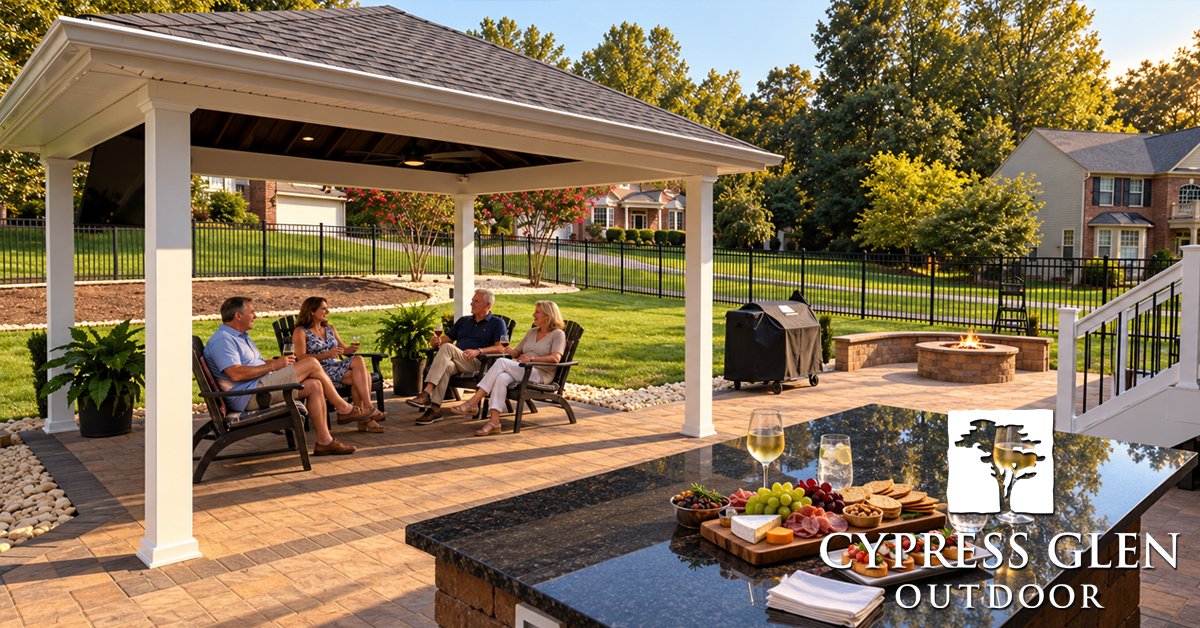
Comparing pergola vs. gazebo vs. pavilions starts with imagining how you want to spend time outside. Maybe you picture family dinners after school or relaxed weekend gatherings before the holidays. However, the right structure depends on more than appearance.
Cypress Glen Outdoor helps you compare roof designs, layouts, and features that suit your property and entertaining style.
Understand the Basic Differences
A traditional pergola has an open roof formed by beams and rafters. Its slats create partial shade without closing off the sky.
A gazebo provides a covered gathering space, usually as a freestanding backyard feature. Shapes vary, including rectangular and octagonal designs. Some have open sides, while others incorporate railings or screens.
Meanwhile, a pavilion combines a solid roof with open sides. Its layout often suits dining tables and larger seating arrangements. Because designs overlap, compare actual plans rather than relying entirely on labels.
Where Covered Pergolas Fit
A covered pergola adds overhead protection that an open framework cannot provide. Depending on the system, translucent panels can admit daylight while shedding rain.
Cypress Glen Outdoor offers Apollo and Hercules systems through Cover Your Pergola. These options use polycarbonate roofing to combine overhead shelter with natural light. Rather than choosing by name alone, discuss the appropriate system for your structure and site.
Compare Weather Protection Honestly
An open pergola will not keep your dinner dry during rain. Meanwhile, a properly installed solid roof provides overhead coverage. However, wind can still push rain through open sides.
Sunlight also changes throughout the day. Therefore, consider afternoon exposure, roof overhangs, and where guests will sit. Open sides encourage airflow, but none of these structures automatically provides winter comfort.
Match the Design to Your Gatherings
When considering pergola vs gazebo designs, start with your usual activities. For occasional lunches beneath filtered sunlight, an open pergola may fit beautifully. Alternatively, a covered gazebo could create a separate retreat for reading and small gatherings.
For larger family dinners, consider a pavilion with space for dining and conversation. A covered pergola may suit homeowners seeking rain protection without an opaque roof.
The best choice supports your everyday routine, not just your biggest annual party.
Plan Furniture Before Finalizing Dimensions
Start with the furniture you intend to use. Then allow room to pull out dining chairs and walk behind seated guests.
Include space for serving food, opening doors, and moving between activities. Also, check whether support posts interrupt seating or block walking paths. Exterior dimensions alone don’t show how much usable space remains inside.
For example, a table may fit comfortably until guests move their chairs. Planning those movements helps prevent a cramped layout.
Choose a Location That Works
Consider the trip between your indoor kitchen and outdoor table. A nearby structure may make weeknight meals easier. Conversely, a freestanding gazebo farther into the yard can create a quieter destination.
Compare views, privacy, existing walkways, and connections to your deck or patio. Also, think about how a roof might affect daylight entering nearby windows.
Ask whether an attached or freestanding arrangement better suits your home. Review connection details and roof drainage before settling on placement.
Compare Materials and Maintenance
Wood offers natural character and flexible finish choices. However, maintaining a painted or stained appearance requires periodic refinishing.
Manufactured options include aluminum structures and engineered systems with vinyl or PVC components. These can reduce refinishing chores, depending on the product. Nevertheless, every structure needs appropriate cleaning and periodic inspections.
Before choosing materials, discuss roof maintenance, drainage, finish care, and replacement parts. Additionally, review written warranties for coverage, exclusions, and installation requirements. Choose an upkeep routine you can realistically maintain.
Evaluate the Foundation First
An existing deck or patio does not automatically support a new structure. Before proceeding, ask your builder to evaluate the foundation, attachment points, and proposed roof loads.
For decks, discuss framing condition and whether reinforcement or independent footings are necessary. Paver surfaces also need an appropriate foundation and anchoring plan beneath the structure.
Ask which supports will remain, what requires modification, and whether engineering is necessary. Those answers belong in project planning, not after construction begins.
Add Screens and Privacy Thoughtfully
Screens can help reduce insects while preserving an outdoor atmosphere. Meanwhile, privacy panels or suitable curtains can limit views from neighboring properties.
Consider whether you want open access for parties or a more sheltered reading area. Ask how panels affect airflow, visibility, entrances, and maintenance. Also, choose products compatible with the structure rather than assuming every enclosure will fit.
Check Permits and Property Restrictions
Confirm local requirements before construction begins. Anne Arundel County lists gazebos among residential accessory structures that may require building permits.
Your project review should address setbacks, easements, and applicable environmental restrictions. Additionally, check any homeowners association requirements separately. Approval depends on your property and proposed construction, not simply what you call the structure.
Connect Your Outdoor Living Areas
Coordinate the structure with nearby paver patios, custom decks, and sitting walls. For outdoor kitchens, plan appliance placement before finalizing the roof.
Follow each appliance manufacturer’s clearance and ventilation requirements. Some grills prohibit use beneath combustible overhead construction. Therefore, placing cooking equipment beside the shelter may suit the project better.
Make Your Choice With Cypress Glen Outdoor
The pergola vs gazebo decision becomes easier when you define your priorities. Choose an open pergola for filtered shade, a gazebo for a covered retreat, or a pavilion for spacious sheltered gatherings. Consider a covered pergola when you need both daylight and overhead rain protection.
Your backyard deserves more than a Plain Jane patio. Picture a relaxed fall dinner with friends, then choose features that make that evening comfortable and easy.
Cypress Glen Outdoor can connect your vision with custom decks, paver patios, outdoor kitchens, and built-in bars. Add sitting walls or a separate fire pit area for sweater weather. Talk with our team and plan a space that reflects your personality.
Let Cypress Glen Outdoor build the backyard you’ve been dreaming of.
Related Posts

Can You Convert an Existing Deck Into a Screened Porch?
You may be able to convert a deck into a screened porch, depending on its…

Screened Porch vs. Sunroom: Which Addition Fits Your Home?
The screened porch vs. sunroom decision comes down to fresh air, weather protection, and what…
Screened Porch Installation for Year-Round Entertaining
Screen porch installation gives Maryland homeowners a better way to enjoy outdoor living after summer…